Learn how plastic, aluminum, and steel fan blades affect airflow, durability, noise, and energy efficiency in industrial ventilation systems, helping engineers choose the right material for different operating environments.
In industrial ventilation and cooling systems, fan blade material plays a much bigger role than many people realize. The type of blade used in a fan directly affects airflow efficiency, operating noise, durability, energy consumption, and long-term system reliability. Choosing between plastic, aluminum, and steel fan blades is not simply a material decision. It is about selecting the right blade for the actual operating environment.
In industrial fan applications, the three most common fan blade materials are engineering plastic, aluminum alloy, and steel. Each material performs differently under real working conditions, and each has advantages as well as limitations. Understanding these differences helps engineers and system designers avoid performance problems and improve overall ventilation efficiency.
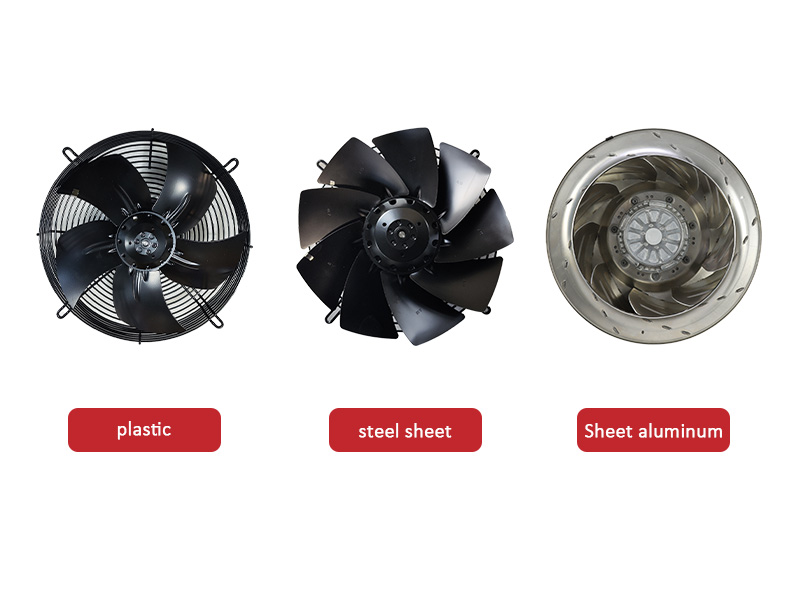
Why Fan Blade Material Matters
Fan blades are responsible for moving air through ventilation or cooling systems. During operation, the blade material affects how efficiently the fan handles airflow, pressure, vibration, and environmental stress. Factors such as temperature, humidity, chemical exposure, dust concentration, and system resistance all influence which material is most suitable.
In many industrial systems, the wrong blade material can lead to excessive noise, higher energy consumption, blade deformation, or reduced equipment lifespan. This is why industrial fan blade selection should always consider real operating conditions instead of focusing only on airflow specifications.
Plastic Fan Blades
Plastic fan blades are commonly used in applications where lightweight construction, corrosion resistance, and low noise are important. Because plastic blades are much lighter than metal blades, they reduce the load placed on the motor during startup and operation. This can improve overall fan efficiency, especially in systems using EC motors or variable speed control.
Another advantage of plastic fan blades is their ability to resist moisture and mild chemical exposure. In humid environments or clean indoor applications, plastic blades often provide reliable long-term performance with minimal corrosion concerns.
Plastic blades also tend to generate less vibration and lower operating noise. This makes them suitable for HVAC systems, electronics cooling, air purification equipment, and other indoor ventilation applications where acoustic comfort matters.
However, plastic fan blades are not ideal for every environment. Under high temperatures or heavy mechanical stress, plastic materials may gradually deform or lose structural strength over time. In heavy-duty industrial ventilation systems with high static pressure or abrasive conditions, plastic blades may not provide sufficient durability.
Aluminum Fan Blades
Aluminum fan blades are often considered the most balanced option for industrial ventilation systems. They offer a combination of lightweight construction, structural strength, and moderate corrosion resistance, making them suitable for a wide range of industrial applications.
Compared to plastic blades, aluminum blades provide better heat resistance and mechanical stability. Compared to steel blades, they are significantly lighter, which helps improve startup efficiency and reduce motor energy consumption.
Because of this balance, aluminum fan blades are widely used in commercial ventilation systems, industrial cooling equipment, dry coolers, condensers, and continuous-duty airflow applications. In many situations, aluminum becomes the preferred choice when operating conditions are neither extremely harsh nor extremely light-duty.
Aluminum also performs reasonably well in environments with moderate moisture exposure. While it is not completely immune to corrosion, it generally offers better corrosion resistance than untreated steel in standard industrial conditions.
At the same time, aluminum blades do have limitations. In environments with highly aggressive chemicals, abrasive dust, or extremely high temperatures, steel blades may provide better long-term durability and structural reliability.
Steel Fan Blades
Steel fan blades are designed for demanding industrial environments where strength and durability are critical. These blades are commonly used in heavy-duty ventilation systems, mining operations, industrial exhaust equipment, and high-temperature airflow applications.
One of the biggest advantages of steel fan blades is their ability to withstand strong mechanical stress and high static pressure without deforming. In systems with heavy airflow resistance, steel blades maintain stable performance and structural integrity over long operating periods.
Steel blades are also highly suitable for environments involving dust, vibration, or extreme operating temperatures. In industrial systems where reliability is more important than noise reduction or lightweight construction, steel often becomes the safest choice.
However, steel blades are much heavier than plastic or aluminum blades. The increased weight places greater load on the motor and may increase energy consumption during startup and acceleration. If the fan system is not properly designed, the additional weight can reduce overall energy efficiency.
Noise is another consideration. Steel blades can generate higher vibration and airflow noise compared to lighter materials, especially if balancing or airflow design is not optimized.
Comparing Plastic, Aluminum, and Steel Fan Blades
Each fan blade material serves a different purpose in industrial ventilation systems. Plastic blades are ideal for low-noise and corrosion-sensitive environments where operating temperatures remain moderate. Aluminum blades provide a strong balance between efficiency, durability, and weight, making them suitable for general industrial applications. Steel blades offer maximum durability and structural strength for harsh operating conditions and heavy-duty airflow systems.
There is no universal “best” material for every industrial fan application. The correct choice depends on airflow requirements, environmental conditions, operating temperature, pressure resistance, and long-term maintenance expectations.
How Fan Blade Material Affects Energy Efficiency
Blade material has a direct impact on fan efficiency and energy consumption. Lighter blades, such as plastic and aluminum, reduce rotational inertia and require less energy during startup. This improves motor efficiency and speed control performance, especially in systems using variable frequency drives or EC motors.
Steel blades require more torque because of their higher mass, but they often provide more stable airflow performance in high-resistance environments. In many industrial systems, energy efficiency depends not only on blade weight but also on how effectively the blade handles pressure and airflow resistance.
Selecting the correct blade material helps balance airflow performance, operating stability, and long-term energy savings.
Noise Performance and Vibration
Noise control has become increasingly important in modern industrial and commercial ventilation systems. Blade material significantly affects vibration behavior and airflow acoustics during operation.
Plastic fan blades generally produce the lowest noise levels because they absorb vibration more effectively and generate smoother airflow at moderate speeds. Aluminum blades typically provide balanced acoustic performance for general industrial applications.
Steel blades may create more vibration and operating noise if the system is not carefully balanced. In environments such as offices, hospitals, commercial buildings, or indoor HVAC systems, quieter blade materials may offer important advantages.
Choosing the Right Fan Blade Material
Choosing between plastic, aluminum, and steel fan blades depends on understanding the specific requirements of the ventilation system.
Plastic fan blades are usually the best choice for lightweight, low-noise, and corrosion-resistant applications where operating conditions are relatively moderate.
Aluminum fan blades are ideal for general industrial ventilation systems requiring balanced performance, energy efficiency, and long-term reliability.
Steel fan blades are best suited for harsh industrial environments involving high temperatures, strong mechanical stress, heavy dust, or high static pressure conditions.
Evaluating the operating environment carefully before selecting blade material can improve system efficiency, reduce maintenance costs, and extend equipment lifespan.
Final Thoughts
Fan blade material plays an important role in industrial fan performance. Plastic, aluminum, and steel blades each offer unique advantages depending on the application environment and system requirements.
Instead of searching for a single “best” material, engineers and equipment designers should focus on matching the blade material to the actual operating conditions. A properly selected fan blade can improve airflow efficiency, reduce energy consumption, minimize maintenance, and increase long-term system reliability.
In industrial ventilation systems, making the right blade material decision early in the selection process helps prevent performance issues and supports more stable, efficient operation over time.
FAQ
Which fan blade material is best for industrial ventilation systems?
The best fan blade material depends on the application. Plastic blades are suitable for low-noise and corrosion-resistant environments, aluminum blades offer balanced performance for general industrial use, and steel blades are preferred for heavy-duty or high-temperature systems.
Are plastic fan blades durable enough for industrial use?
Plastic fan blades can perform very well in HVAC systems, electronics cooling, and clean indoor environments. However, they are generally less suitable for heavy-duty industrial applications involving extreme heat or strong mechanical stress.
Why are aluminum fan blades widely used in industrial fans?
Aluminum fan blades provide a strong balance between lightweight construction, durability, heat resistance, and energy efficiency. This makes them one of the most common choices for industrial ventilation and cooling systems.
When should steel fan blades be used?
Steel fan blades are ideal for harsh industrial environments with high temperatures, abrasive dust, heavy airflow resistance, or high static pressure requirements where maximum durability is necessary.
How does fan blade material affect fan noise?
Plastic fan blades usually generate the lowest operating noise because they reduce vibration and produce smoother airflow. Aluminum blades provide moderate noise performance, while steel blades may create more vibration and airflow noise in certain systems.

