Low airflow usually comes from too much system resistance, wrong fan type, air leaks, or bad duct design. Mechanical wear and poor control settings also hurt performance. Fix the real causes — not just the symptoms. Seal leaks, match fan to load, and maintain regularly. Better airflow saves energy and money.
Low airflow is annoying. And in factories, data centers, warehouses, or HVAC systems, it's also a real problem. Too little air means overheating, bad air quality, and systems that just don't work right. The worst part? It usually creeps up slowly. You don't notice until equipment starts acting up or people complain about the conditions. So let's cut through the noise and talk about what actually causes low airflow — and how to fix it.
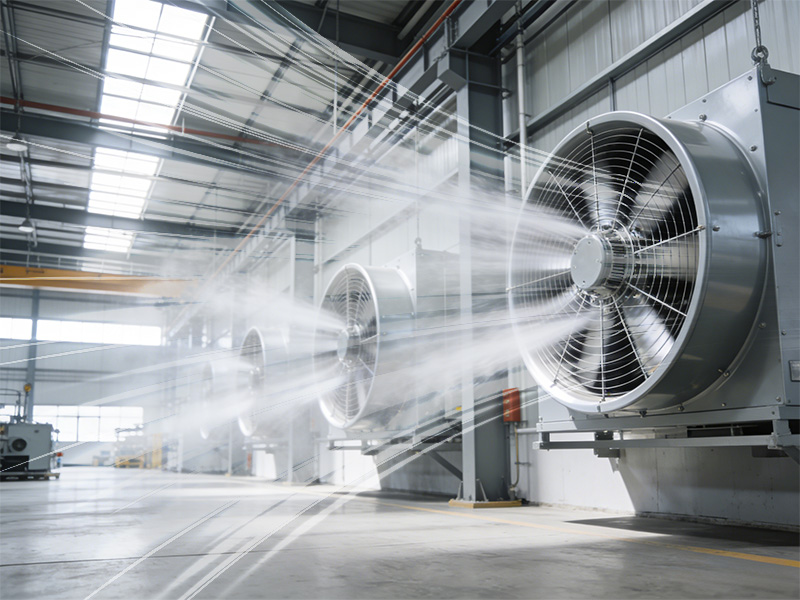
It's all about balance — fan vs. system resistance
Here's the thing. Airflow depends on two things: how hard your fan pushes, and how much your system pushes back. When that balance breaks, airflow drops. Simple.
Too much resistance is usually the culprit
Air moves through ducts, filters, dampers — and every single one of them slows it down. Long ducts, too many bends, bad transitions? Resistance goes way up. And over time, it gets worse. Filters load up with dust. Debris collects in the pipes. Suddenly, even a fan that was perfectly chosen can't keep up. You're not getting the air you paid for.
Maybe you picked the wrong fan type
Not all fans are created equal. That's not a dig — it's just physics.
-
Axial fans move a lot of air in open, low-resistance spaces. But stick one behind a filter or a long duct run? It struggles. Badly.
-
Centrifugal fans are better at pushing against resistance. They generate higher pressure, which is exactly what you need in systems with ducts, filters, and all that stuff.
So if you're constantly fighting low airflow, take a hard look at whether you've got the right fan type for the job.
Mechanical problems sneak up on you
Fans wear out. Bearings get old — more friction, less efficiency. An impeller gets unbalanced or damaged, and suddenly the airflow turns turbulent. Sometimes the motor just doesn't hit the right speed because of electrical issues or bad control settings. And here's the kicker: even a small drop in fan speed can kill your airflow, especially in systems that need precision. Don't assume the fan is fine just because it's spinning.
Air leaks — the hidden thief
This one gets overlooked all the time. You seal a duct poorly, and air escapes at joints, connections, or damaged sections. Each leak might be tiny. But add them up? You can lose a shocking amount of airflow. The fan works just as hard, but the air never reaches where it needs to go. Seal those leaks. You'll not only improve airflow — you'll also cut the energy needed to maintain it.
Bad duct design kills efficiency
Sharp turns. Sudden expansions or contractions. Undersized pipes. These things create turbulence and pressure loss — both of which strangle airflow. The right way? Smooth transitions, minimal resistance, let the air flow naturally. In a lot of older systems, you don't need to replace everything. Just redoing a few duct sections can make a huge difference.
Check your control settings
Modern systems use variable speed drives and automatic controls to save energy. Great in theory. But if they're not set up right, the fan runs slower than it should. And slower fan = less air. Yes, reducing fan speed saves power. But you have to balance that against actual performance needs. Don't let energy savings kill your ventilation.
Dirty environment? That's a problem too
In industrial settings, dust, moisture, and corrosive stuff are everywhere. Dust on fan blades kills aerodynamic efficiency. Moisture or corrosion damages components. Both restrict airflow. You can't design your way out of this one — you have to clean and maintain regularly. No shortcuts.
It's rarely just one thing
Here's the reality. Most of the time, low airflow isn't caused by a single problem. It's a combination of several. So don't look for a magic bullet. Do a real inspection: check the ducts, test the fan, measure airflow and pressure, find leaks and blockages. Fix them one by one. That's how you get your airflow back — and make the whole system run better.
Better airflow pays off
Fix these issues, and you don't just move more air. You use less energy. You cut operating costs. Equipment lasts longer. Temperature control improves. Air quality gets better. Safer for people, better for sensitive equipment. It's a win all around.
Bottom line
Understanding why airflow is too low is the first step to actually fixing it. Pick the right fan. Reduce system resistance. Maintain your gear. Design ducts properly. Do those things, and you'll get consistent, high-performance airflow.
Still stuck? Talk to someone who does this every day. A good ventilation professional can spot things you'd never notice. With the right eyes on the problem, even complex airflow issues can be solved.

